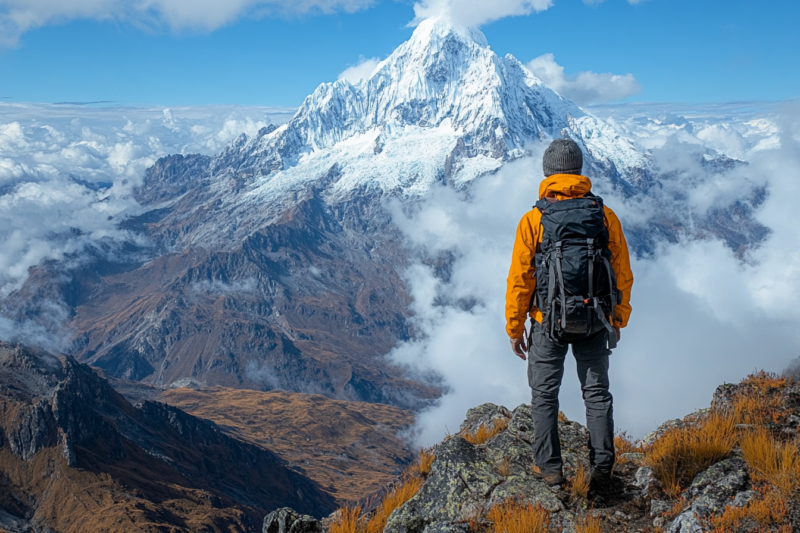
You made it to the high trails at last. The views are grand, and the mountain air is crisp. But then your head pounds. You feel dizzy, or sick to your stomach. That is altitude sickness, also called acute mountain sickness (AMS). It can hit even the fittest people. It can turn a dream trip into a slog.
Maybe you plan to trek the Andes, climb Kilimanjaro, or ski the Alps. Either way, you need to know how to prevent this illness and treat it. With the right plan, you can lower the risk and keep your focus on the fun.
Pre-Trip Health Check
See a doctor before a big trip to high country. Heart or lung problems can get worse up high. Tell your doctor your plans. They can suggest steps or treatments to keep you safe.
What is Altitude Sickness?
Altitude sickness starts when your body cannot adjust to thin air. Above 8,000 feet (2,400 meters), air pressure drops. Each breath holds less oxygen. Your body works harder to keep up. That strain can cause mild aches. In rare cases, it can turn deadly.
Common Symptoms of Mild Altitude Sickness (AMS):
- Headache
- Nausea or vomiting
- Dizzy or lightheaded feeling
- Fatigue
- Shortness of breath
- Trouble sleeping (insomnia)
Severe Symptoms (Seek Immediate Medical Attention):
- Confused thinking, or you cannot walk straight
- Chest tightness or a cough that will not stop
- Blue lips or nails (a sign of low oxygen)
- Passing out
Catch the signs early. That is the key to stopping things from getting worse. If you ignore mild AMS, it can grow into two grave forms:
- High Altitude Pulmonary Edema (HAPE): Fluid builds up in the lungs. You feel very short of breath, even at rest. You may have a lasting cough and a tight chest.
- High Altitude Cerebral Edema (HACE): The brain swells. You feel very weak. You lose balance (called ataxia). Your mind changes—confusion, seeing things, or passing out.
Both need medical care right away. Most of the time, that means going down the mountain.
How to Prevent Altitude Sickness
The best defense is a good plan and a slow pace. These proven steps cut your risk:
1. Ascend Gradually
- The golden rule of high travel: give your body time to adjust.
- "Climb high, sleep low." Go up during the day. Come back down to sleep.
- Past 8,000 feet, raise your sleeping height by no more than 1,000 feet (300 meters) per day.
- Plan rest days after big gains. On a trek to Everest Base Camp, rest at key spots like Namche Bazaar (11,286 feet) or Dingboche (14,468 feet).
2. Stay Hydrated
- A dry body makes symptoms worse. Less water means less blood volume, and less oxygen on the move.
- Drink plenty of water. Aim for at least 3–4 liters a day.
- Add drinks with electrolytes (salts) to keep a healthy balance. Too much plain water can drop your sodium too low (a state called hyponatremia).
- Pro Tip: Check your urine. It should be light yellow, not dark.
3. Eat a High-Carb Diet
- Carbs need less oxygen to burn than fat or protein. That makes them the best fuel up high.
- Eat carb-rich foods like pasta, rice, bread, and fruit.
- Eat small meals often. This keeps your energy up and calms nausea.
4. Avoid Alcohol and Tobacco
- Both slow your body's shift to thin air. They cut oxygen intake and dry you out.
- Alcohol: Skip drinks for at least 48 hours after you reach altitude.
- Smoking: The carbon monoxide in smoke cuts the oxygen your blood can carry.
5. Consider Medication
- Some drugs can prevent altitude sickness or make it milder:
- Acetazolamide (Diamox): This common drug helps you adjust faster. It makes you breathe deeper and take in more oxygen. Start it 24–48 hours before you go up. Keep taking it for a few days.
- Ibuprofen or Aspirin: These can ease headaches caused by the height.
- Pro Tip: Ask a doctor before you take any drug. Make sure it fits your health and your trip.
6. Train at Higher Altitudes
- Time spent at moderate heights before your trip can help a lot.
- If you can, hike or train for a few days at 5,000–8,000 feet.
- Or use altitude training gear, like masks or chambers, that mimic thin air. Train a few times a week for at least a month before your trip. Add time and effort bit by bit.
7. Monitor Oxygen Levels
- Track your oxygen to catch trouble early.
- Pulse Oximeters: These small devices read the oxygen in your blood. They show you how well your body is adjusting.
- Pro Tip: A reading below 90% at altitude may signal a problem. Take a rest day, or go down.
Environmental Considerations
- Weather: Weather can change fast up high. Cold, wind, and strong sun can slow your body's shift to thin air. They can also make symptoms worse or slow your recovery. Check forecasts. Pack for sudden shifts.
Cultural and Ethical Considerations
- Respect for Local Practices: Many high regions have rich cultures. Some mountains are sacred. Learn local customs. Join local rituals if you are welcome, and follow no-litter rules. Respect makes the trip better for you, the land, and its people.
Travel Insurance
- Consider Insurance: High trips call for travel insurance that covers rescue flights and altitude care. It matters most in remote areas far from clinics.
Managing Altitude Sickness
Even with a great plan, symptoms can still show up. Spot them fast, and act.
1. Stop and Rest
- At the first sign, stop climbing. Give your body time to adjust.
- Mild cases often improve with rest at the same height.
- Skip hard effort. It makes symptoms worse.
2. Descend if Necessary
- If symptoms stay or get worse, go down. It is the best treatment.
- Drop 1,000–2,000 feet (300–600 meters) to ease symptoms.
- For grave cases like HAPE or HACE, go down right away.
- Pro Tip: Even a small drop can bring big relief.
3. Increase Oxygen Intake
- Extra oxygen can bring fast relief.
- Portable Oxygen Systems: Small, light devices boost your oxygen for a short time.
- Hyperbaric Chambers: In remote spots, a portable chamber mimics lower ground. It can hold a severe case steady.
4. Medicate Responsibly
- Use drugs to manage symptoms, but only as directed:
- Acetazolamide (Diamox): Eases mild symptoms that will not quit.
- Antiemetics: These calm nausea and vomiting.
5. Stay Warm
- Cold makes symptoms worse, most of all blood-flow issues.
- Wear warm layers and gloves to hold your body heat.
- Use a good sleeping bag rated for the cold you expect.
Psychological Preparation
- Mental Readiness: High places can test your mind, too. Simple tools help you manage stress and fear. Try mindfulness, meditation, breathing drills, or picturing the climb ahead.
A Lesson on Listening to Your Body
Picture a trek to Everest Base Camp. Tall peaks and bright prayer flags surround you. You trained for months, and you feel great. But past 12,000 feet, your head throbs. Then nausea hits. You push on to stay on schedule. By night, you cannot sleep, and you feel worse.
Here is the better path: notice the early signs. Take an extra rest day. Drink water. Let your body adjust. That pause could be the difference between the summit and turning back early.
Altitude sickness is not weakness. It is your body's normal response to thin air. Listen to it, and a small issue stays small.
Essential Gear for High-Altitude Adventures
The right gear helps you prevent altitude sickness and manage it:
- Hydration Bladders and Bottles: Water is a must.
- Pulse Oximeters: Track your oxygen with a quick, exact read.
- Portable Oxygen Systems: A must for extreme heights.
- Insulated Layers: Keep the cold out.
- First Aid Kits: Be ready for altitude trouble.
Aftercare
- Recovery Advice: After a bout of altitude sickness, take time to heal. Rest, drink water, and eat well. If symptoms were severe, see a doctor to make sure you have healed in full.
Alternative Remedies
- Herbal or Natural Treatments: Some cultures use plant cures. In South America, people use coca leaves for altitude. The science on these is thin. They can be part of your plan, but talk to a doctor before you use them.
Conclusion
High trips rank among the best things you can do outdoors. The beauty and the pride are hard to match. But the risks are real. You need a plan, a sharp eye, and a willingness to adapt. Learn how to prevent and manage altitude sickness. Then you can focus on what counts: the trail, the challenge, and the memories.
Ready to take on new heights? Check out gear picks and get set for your trip.